
Emergencies move fast. Every second shapes the outcome. Police, fire crews, and medical teams need clear facts before they arrive. Security cameras however can help fill that gap. They show what is happening in real time and remove guesswork.
When responders see the scene early, they act with purpose. They arrive prepared. They avoid delays. This blog explains how cameras support faster action and better decisions during emergencies.
Why Speed Matters During Emergencies
Emergencies hardly follow a script. Fires spread. Medical issues escalate. Security threats change in moments.
Responders often rely on calls that lack detail. Panic affects accuracy. Cameras provide visual facts that calls cannot. Clear footage helps teams assess risk before arrival. It also reduces confusion during high-stress moments.
How Cameras Share Real-Time Scene Awareness
Security cameras give responders eyes on the scene. They show crowd movement, hazards, and access points.
This visibility helps teams choose safe entry routes. It also helps them position vehicles and staff correctly. Live visuals remove blind spots and speed early decisions.
Video Surveillance for Emergency Response Improves Coordination
Video feeds help teams coordinate across departments. Dispatchers can share footage with police, fire, and medical crews at the same time.
This shared view keeps everyone aligned. Teams know what others see and plan actions together. Coordination reduces delays and prevents conflicting responses.
Faster Threat Assessment Before Arrival
Responders often arrive without knowing the full picture. Cameras change that. Live footage reveals the size of a fire, the number of people involved, or active threats. This insight helps teams choose proper gear and staffing. Prepared teams work faster and safer.
Remote Monitoring for Emergency Response Adds Support
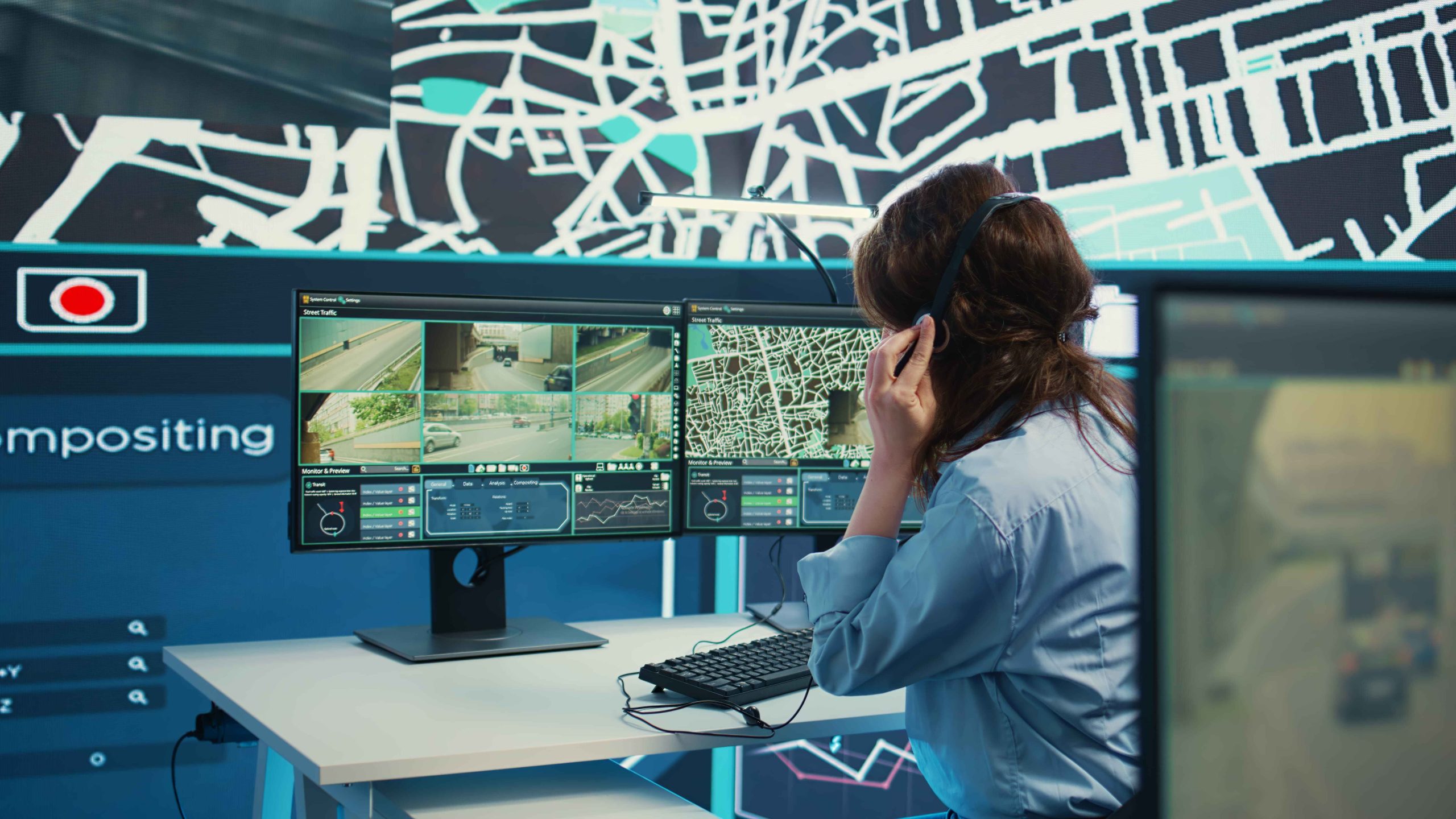
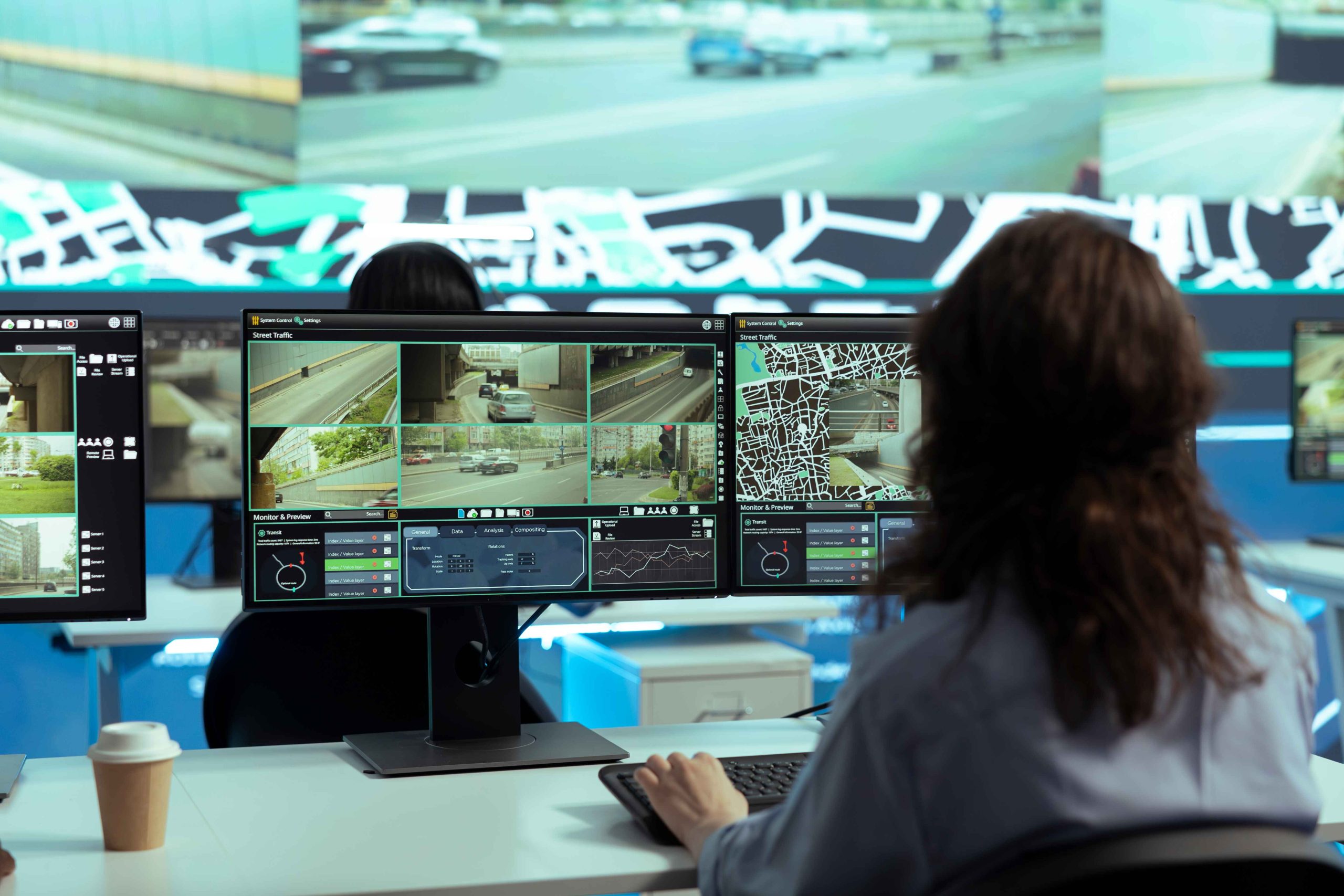
Remote monitoring allows trained staff to watch events unfold as responders travel. These teams relay updates and flag changes. This support helps responders adjust plans mid-route. It also helps dispatch manage resources better.
Remote monitoring for emergency response works best when systems stay reliable and staffed around the clock.
Live Oversight Helps Reduce Response Errors
Missteps slow response. Wrong entry points waste time. Poor scene awareness creates risk. Live oversight helps avoid these issues. It provides constant updates and confirms key details.
Many sites rely on live security camera monitoring services to maintain this level of oversight during critical events.
Better Crowd and Traffic Control
Large sites often face crowd challenges during emergencies. Cameras show crowd flow and blocked paths.
Responders use this information to guide evacuations and manage traffic. Clear paths help ambulances and fire trucks reach the scene faster. This clarity reduces chaos and improves safety for everyone.
Supporting First Responders After Arrival
Cameras continue to help after responders arrive. They track changes and show new risks. If conditions worsen, teams get early warning. If areas clear, teams can shift focus. This ongoing insight supports faster decisions on the ground.
How Monitoring Services Strengthen Emergency Response
Monitoring teams play a key role during emergencies. They watch feeds, confirm threats, and contact responders with verified details. This process cuts false alarms and speeds real response. It also allows responders to focus on action instead of assessment.
Businesses that use live security camera monitoring services gain this added layer of support during critical moments.
Trust and Training Matter in Emergency Support
Technology alone does not save time. People behind the screens matter. Trained monitoring teams know how to spot real threats. They follow clear rules and act fast.
Leading companies like Serena Security focus on trained staff and clear response steps. This experience helps during high-pressure events.
Planning Makes Camera Support More Effective
Cameras work best with planning. Sites need clear response plans tied to camera views. Teams should know which cameras show entry points, hazards, and exits. Regular drills help everyone stay ready. Planning turns footage into action.
Privacy and Responsibility During Emergencies
Camera use during emergencies must respect privacy. Access should remain limited to trained staff and responders. Clear policies protect people while allowing fast response. Trust grows when systems follow these rules.
Real Benefits Seen Across Industries
Security cameras support faster response across many environments. Different industries use them to reduce risk and improve safety during critical moments.
- Schools use cameras to guide lockdowns and manage safe exits.
- Retail stores track crowd movement and prevent theft.
- Warehouses monitor fire spread and secure valuable inventory.
- Job sites manage access and improve worker safety.
Across industries, cameras help teams respond faster and protect people and property more effectively.
Conclusion
Security cameras help emergency responders act with speed and clarity. By providing real-time visibility, they reduce guesswork and support better decisions before and after arrival. When paired with monitoring and clear response plans, cameras become a reliable tool that helps protect lives, property, and operations during critical moments.
FAQs
1. How Do Security Cameras Help Responders Before Arrival?
A: They show live conditions, hazards, and access points. This helps teams prepare early.
2. Can Cameras Reduce Response Time?
A: Yes. Visual details remove guesswork and speed decision-making.
3. Do Responders Need Special Access To Footage?
A: Yes. Access should remain controlled and shared only during emergencies.
4. Does Monitoring Help During Medical Emergencies?
A: It helps locate patients and guide responders through crowded areas.
5. Are Cameras Useful After Responders Arrive?
A: Yes. They track changes and support ongoing decisions.