
Running a gas station is a lot more than just selling the fuel. You’re managing safety, handling customers, and protecting your business around the corner. With long hours, cash handling, and vehicle traffic, security can become a real concern. That’s where gas station security cameras come into picture.
A well-maintained surveillance system is one of the most effective ways to minimize risk, deter theft, and bring the security of both employees and clients. If running a station, it’s very important to understand your available options.
Why Security Cameras Are a Must at Gas Stations
Gas stations usually operate day and night. Many stay open 24/7, which enables them to experience theft, vandalism, or even accidents. A basic camera system can help with tracking everything from fuel pump misuse to break-ins.
Key benefits include:
- Evidence that if something goes wrong
- Safer environment for employees
- Lower chance of robberies
- Real-time alerts for suspicious activity
Having cameras in place can surely help with the specific situations where false claims are made. Whether it’s a car crash at the pump or a refund dispute, video footage often simplifies things.
Choosing the Right Gas Station Surveillance System
Not all cameras are the same. While setting up your gas station surveillance system, you can easily think about your layout, lighting, and key areas.
Here are important factors to consider:
1. Coverage Zones
Placing cameras at fuel pumps, entrances, exits, and inside the store is very important. Especially if you want to capture wide views and clear details, especially about the license plates.
2. Video Quality
Go for high-definition (HD) cameras. Blurry footage can’t help much when you need to identify a person or vehicle.
3. Night Vision
Since many stations work late, choose cameras with night vision. This makes sure that the clear even in low light.
4. Remote Access
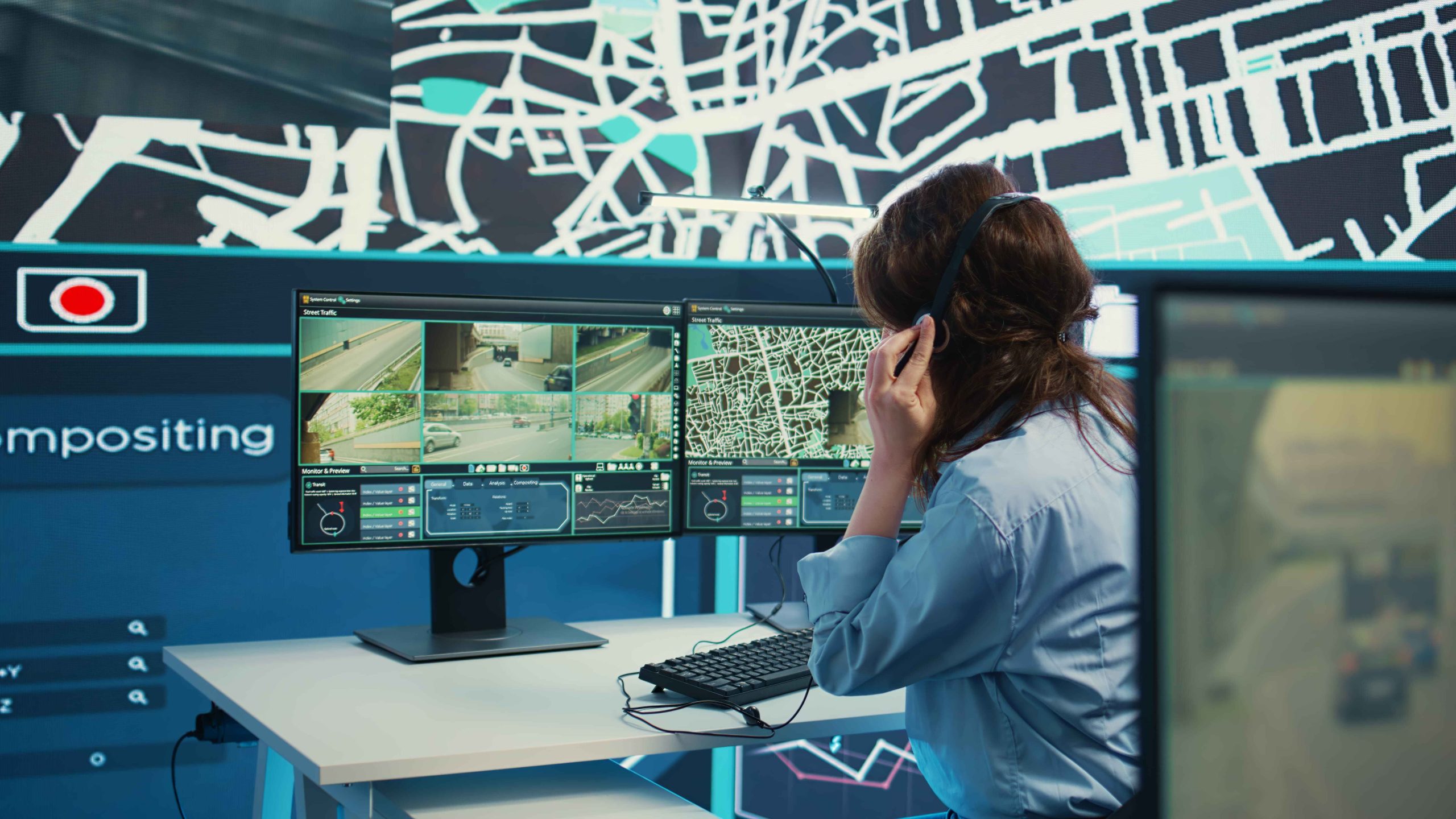
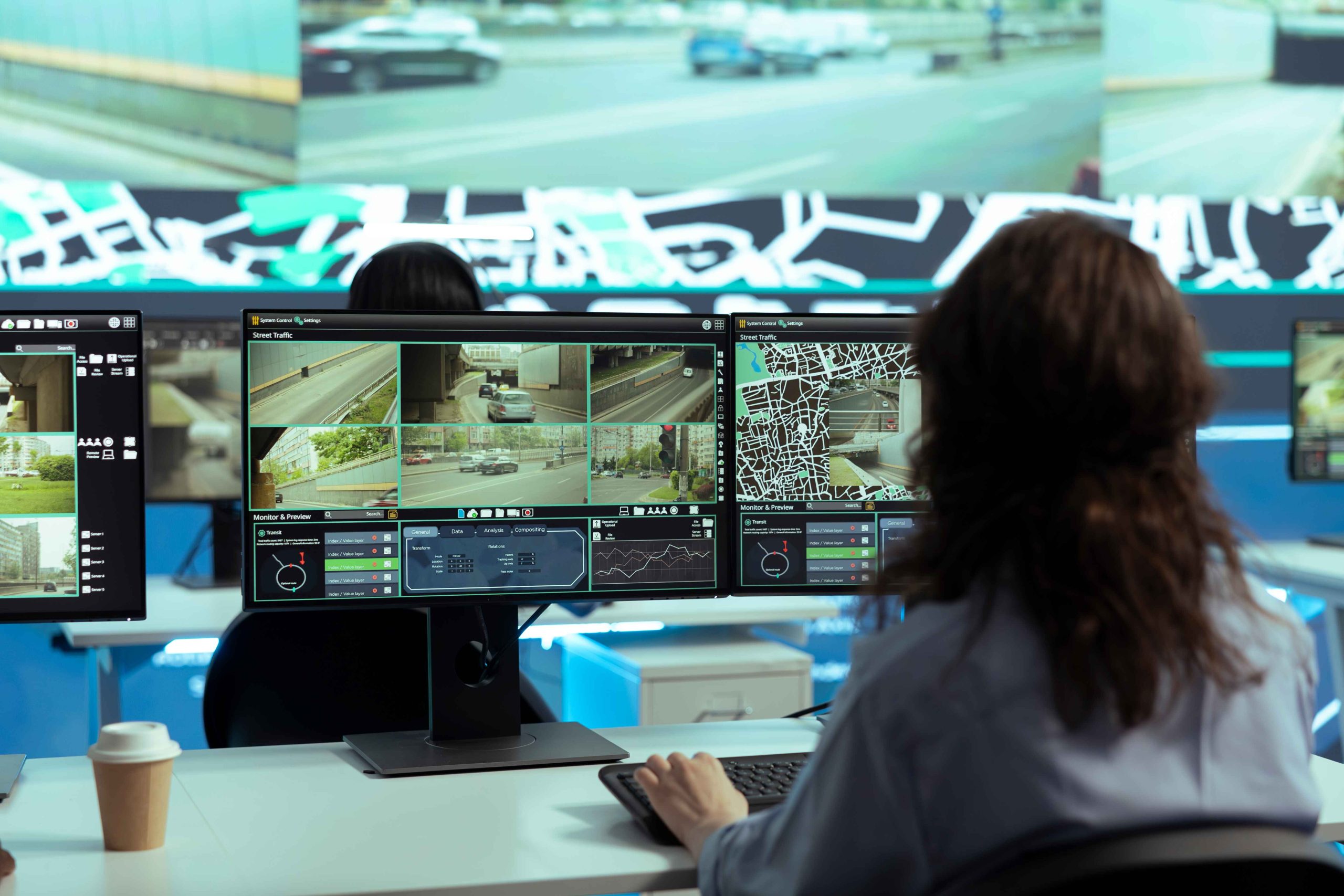
Modern systems let you check live video feeds on your phone or computer. This feature is key if you can’t always be on-site.
Storage and Recording Options
Surveillance footage doesn’t need to take up a huge space. Many systems now use cloud storage or local drives that auto-delete old files after a set time.
- Cloud storage is easy to manage and access anywhere.
- Local DVR systems can provide more privacy and control.
Make sure your setup keeps recordings for at least 30 days. That’s usually enough time to review if something happens.
Legal Rules to Know
When using the gas station security cameras, it’s important to follow privacy laws. In most areas, it’s legal to record in public or commercial spaces. But cameras should not point into private areas like restrooms or staff changing rooms. Additionally, you can educate customers about how they’re being recorded. Signs at entrances or near fuel pumps usually do the work.
Why Serena Security Is Trusted
Serena Security specializes in complete security systems designed for high-traffic companies. That includes gas stations, convenience stores, and other 24/7 sites.
They offer:
- Custom camera placement plans
- Full system installation
- Ongoing support and maintenance
If you’re upgrading or installing a new gas station surveillance system, Serena Security offers the tools and service you need to get it done correctly.
How Cameras Help with Customer Disputes
Gas stations often deal with small arguments about fuel amounts, payments, or car damage. Without any proof, it’s one word against another.
With cameras, you can quickly check what really happened. Clear footage helps settle complaints calmly and fairly. This is easily built on trust and shows customers you take their problems seriously.
Maintenance and Long-Term Use
Installing cameras is just the start. To keep your system working properly:
- Check lens clarity weekly
- Update software and firmware
- Review recordings monthly
- Replace broken or outdated cameras
A good setup is definitely one you can be dependent on for years. Regular checks help avoid gaps in coverage or tech issues that only show up when it’s too late.
Conclusion
Investing in gas station security cameras isn’t just about stopping crime. It’s moreover about peace of mind. It’s about serving your business, your team, and your customers every single day with the needed security. When you’re ready to secure your station the smart way, reach out to the team at Serena Security. Their solutions are easily built to fit your needs, and their team knows what works best in real gas station environments.
FAQs
1: How Many Cameras Do I Need For A Gas Station?
A: It usually depends on your layout, but most stations need 6–10 cameras to cover pumps, entrances, and the inside of the store.
2: Are Security Cameras At Gas Stations Recorded 24/7?
A: Yes, most systems run continuously. Some use motion-activated recording to save storage space.
3: Can I Watch My Station’s Cameras From My Phone?
A: With remote access, yes. Most modern systems allow live viewing from mobile apps.
4: Is It Legal To Use Cameras With Audio At Gas Stations?
A: That depends on local laws. In many areas, audio recording needs consent.
5: How Long Should I Keep Surveillance Footage?
A: At least 30 days is ideal. It gives enough time to catch and report any issues.